The quick answer: industrial automation is the least flashy and most investable part of robotics in 2026. Humanoids get the headlines, but factories, warehouses, electronics plants, machine shops, and food production lines are where robots already create measurable return on investment. For investors, the best opportunities are usually not "robot companies" in the narrow sense. They are automation suppliers, motion-control firms, sensors, machine-vision vendors, industrial software platforms, and select robotics integrators with repeatable deployment economics.
If you want the broader market map first, start with our guide to investing in robot stocks. This piece focuses on the practical industrial automation layer: what it includes, how to evaluate it, and where the risk hides.
Why Industrial Automation Matters Now
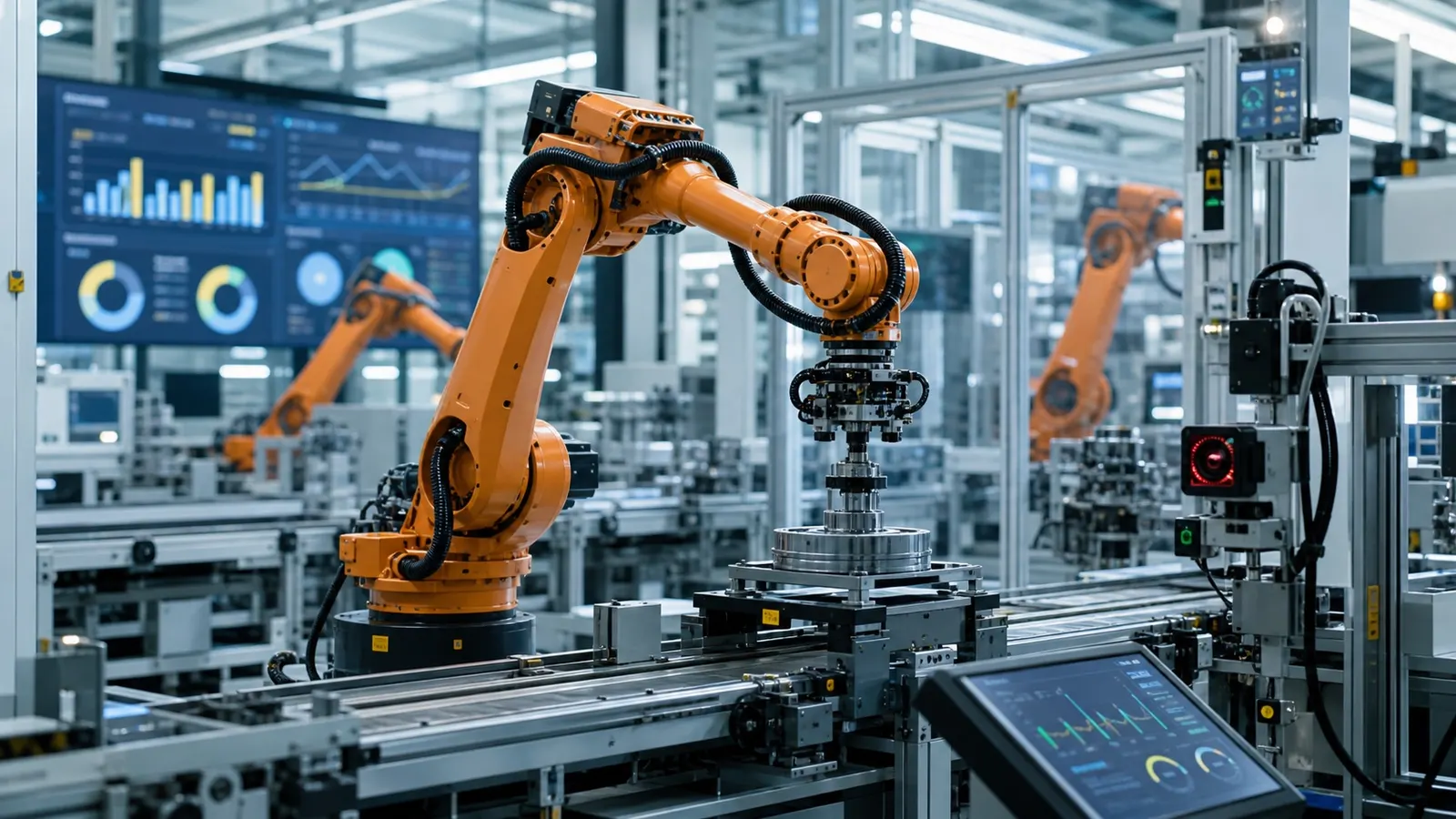
Industrial automation is becoming a board-level topic because manufacturers are dealing with labor shortages, reshoring pressure, quality demands, and fragile supply chains at the same time. A robot arm that welds, paints, palletizes, inspects, or tends a CNC machine is not science fiction. It is capital equipment with a payback period.
The International Federation of Robotics' World Robotics industrial robots research is the authority resource to watch here. Its reports track installations, operational robot stock, and robot density by country and industry. Those metrics matter more than viral demo videos because they show where automation is actually being bought and deployed.
In 2026, the strongest industrial automation demand is not just automotive. Electronics, logistics, food and beverage, pharmaceuticals, metals, plastics, and general manufacturing are all adopting more robotics. That diversification is important. A category tied only to auto capex would be cyclical and narrow. A category spreading across many production environments has a sturdier long-term base.
The Automation Stack Investors Should Understand
Industrial automation is a stack, not a single product.
At the bottom are components: servo motors, drives, reducers, controllers, end effectors, safety systems, sensors, and machine-vision cameras. These companies may not look exciting, but they often have durable demand because every robot and automated cell needs reliable parts.
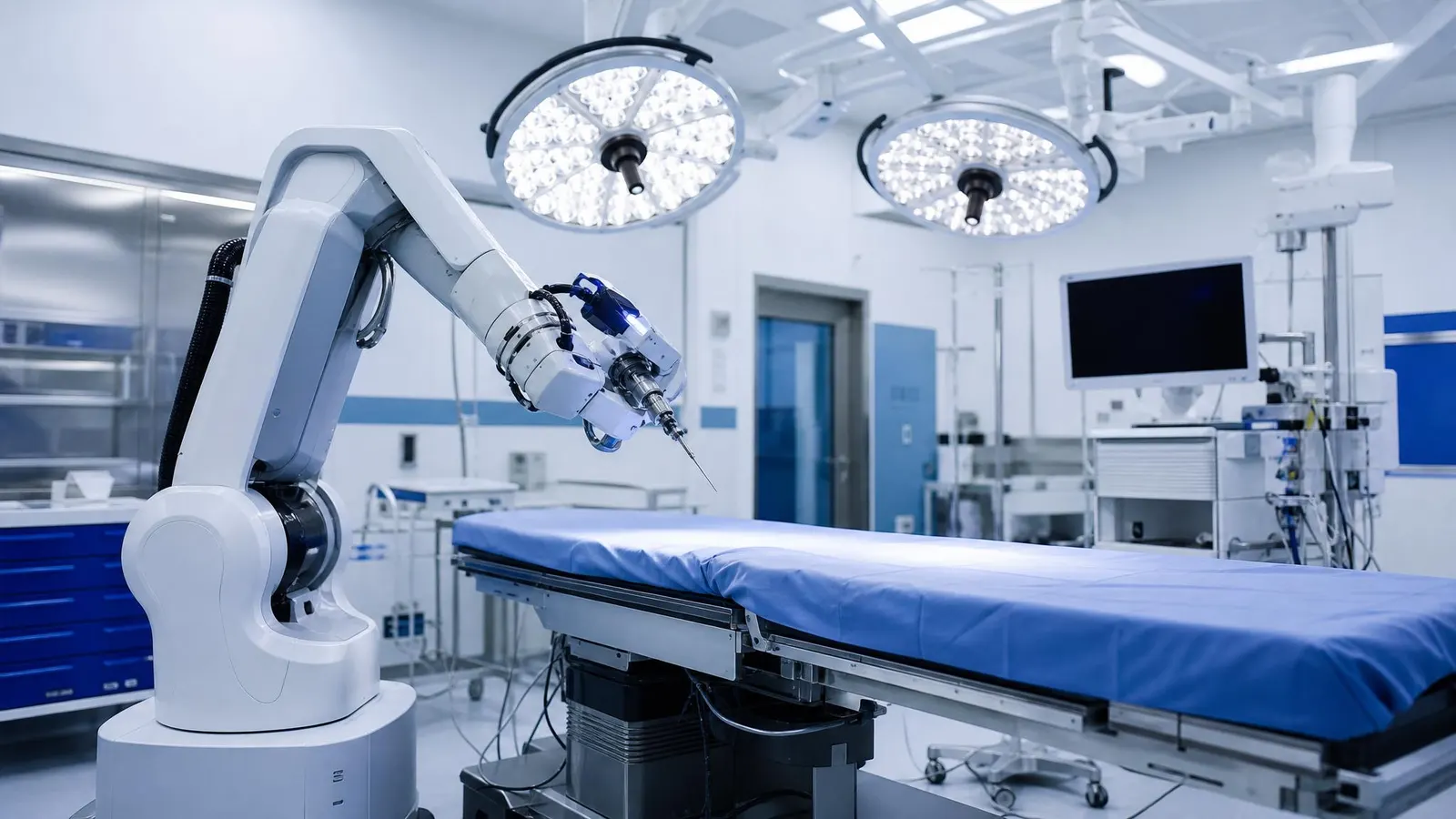
The next layer is the robot itself: six-axis arms, SCARA robots, delta robots, collaborative robots, mobile robots, and specialized machines for welding, painting, inspection, packaging, and machine tending. This is where most investors start, but it is only one layer.
Above that sits integration. Factories rarely buy a robot and simply plug it in. They need fixtures, tooling, safety cages or collaborative workflows, PLC integration, software, operator training, and maintenance. Integrators can be profitable, but project work can also produce uneven margins.
Finally, there is software: simulation, digital twins, fleet management, quality analytics, predictive maintenance, and manufacturing execution systems. This is the layer that can turn hardware deployments into higher-margin recurring revenue.
A good research setup helps because the category is detail-heavy. For reading annual reports and industry PDFs, the Boox Note Air series is useful. For comparing filings, charts, and transcripts side by side, a monitor like the Dell UltraSharp U2723QE is a practical upgrade.
Public Companies and ETFs to Watch
The cleanest industrial automation exposures tend to be established industrials rather than tiny pure plays. ABB, FANUC, Yaskawa, Rockwell Automation, Siemens, Schneider Electric, Keyence, Cognex, and Teradyne all touch important parts of the stack. Some sell robot arms. Some sell control systems. Some sell vision, testing, or factory software. The common thread is that they already serve real production environments.
ETFs can work too, especially for investors who want the theme without choosing one winner. Robotics and automation funds often hold a blend of industrial automation, semiconductors, machine vision, logistics technology, and AI infrastructure. That diversification can be useful, but read the holdings carefully. A fund with "robotics" in the name may be more chip-heavy than factory-heavy.
Individual stock research should focus on revenue quality. Ask whether growth is coming from repeat customers or one-time projects. Check whether gross margins improve as deployments scale. Look for service revenue, software attach rates, and exposure to resilient end markets. A company selling into automotive only deserves a different valuation than one selling into electronics, warehouses, food, and general manufacturing.
For note-taking across earnings calls, a simple Rocketbook reusable notebook is enough. The point is not fancy tools. The point is keeping a consistent watchlist and writing down why each company should win.
Risks That Get Missed
Industrial automation is real, but it is not risk-free.
The first risk is capex timing. Factory automation purchases can be delayed when customers get nervous about demand. Backlog may look strong, then orders can slip by quarters if customers pause expansion.
The second risk is margin compression. Hardware can be competitive. Chinese robot makers are improving quickly, and lower-cost arms can pressure incumbents in some categories. Premium suppliers need software, reliability, service, or specialized capability to defend pricing.
The third risk is integration complexity. A robot demo is clean; a production line is messy. Variability in parts, lighting, safety requirements, worker training, and legacy systems can turn a good product into a hard deployment.
The fourth risk is valuation. Investors often pay AI-style multiples for companies that still have industrial-style margins and sales cycles. That mismatch can be painful.
FAQ
Is industrial automation the same as robotics?
Not exactly. Robotics is one part of industrial automation. The broader category includes controls, sensors, software, safety systems, machine vision, conveyors, automated storage, and integration services.
Are industrial automation stocks safer than humanoid robot stocks?
Usually, yes. Many industrial automation companies already have revenue, customers, service networks, and proven use cases. They can still be cyclical, but the business quality is often easier to analyze than early humanoid deployments.
What is the best way for beginners to invest in the theme?
Beginners should usually start with a diversified robotics or automation ETF, then study the top holdings. Add individual stocks only after you understand the company's end markets, margins, backlog, and competitive moat.
---
Industrial automation is the robotics theme that rewards patience. It will not always produce the most dramatic videos, but it is where robots are already solving expensive problems. In 2026, the best investor mindset is practical: follow installations, backlog, margins, and software attach rates. The winners will be the companies that turn automation from a capital project into a repeatable operating advantage.