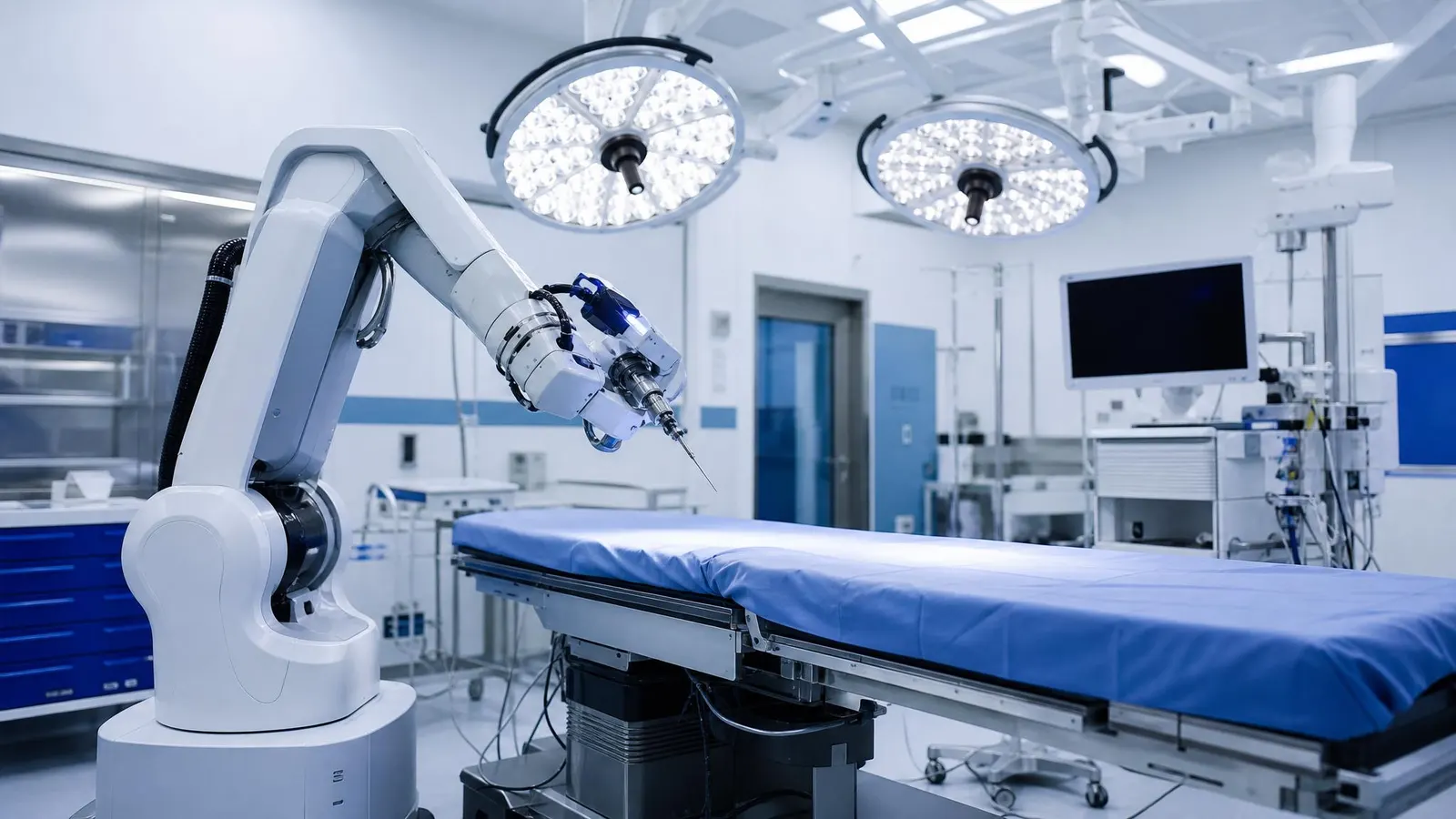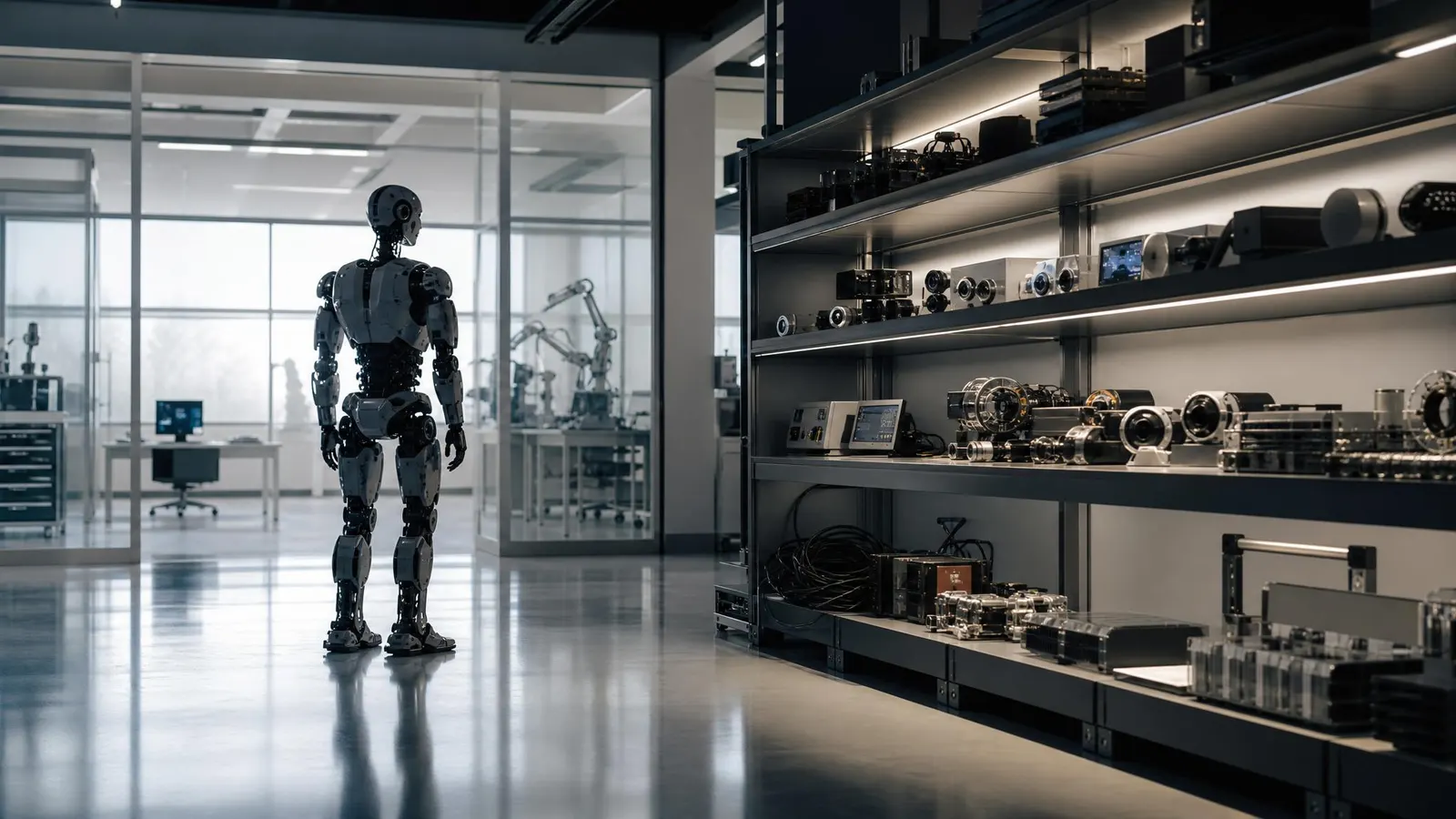
The category sits between two truths. On one side, advances in perception, batteries, actuators, simulation, and foundation models have made humanoid progress feel faster than it did five years ago. On the other, the world is still messy. Warehouses, factories, hospitals, and homes punish every weak link in balance, manipulation, reasoning, and reliability.
Why Humanoids Are Getting So Much Attention
Humanoid robots are attractive because the human world was designed for human bodies. Doors, stairs, shelves, tools, carts, switches, vehicles, and workstations already assume two arms, hands, and roughly human height. If a robot can use that environment without expensive redesign, the potential market looks enormous.
That is the core investment thesis. A successful humanoid could eventually move across factories, logistics sites, retail back rooms, eldercare support, inspection, and hazardous work. It could reduce the need for custom automation in every building. It could make physical labor look more like software deployment.
But "eventually" is doing a lot of work. The International Federation of Robotics tracks industrial robot adoption across the world, and its data shows how much automation growth still comes from conventional robots doing well-defined jobs. See the IFR robot statistics hub for the broader baseline. Humanoids are competing against that installed reality, not against imagination.
What Is Actually Commercial in 2026
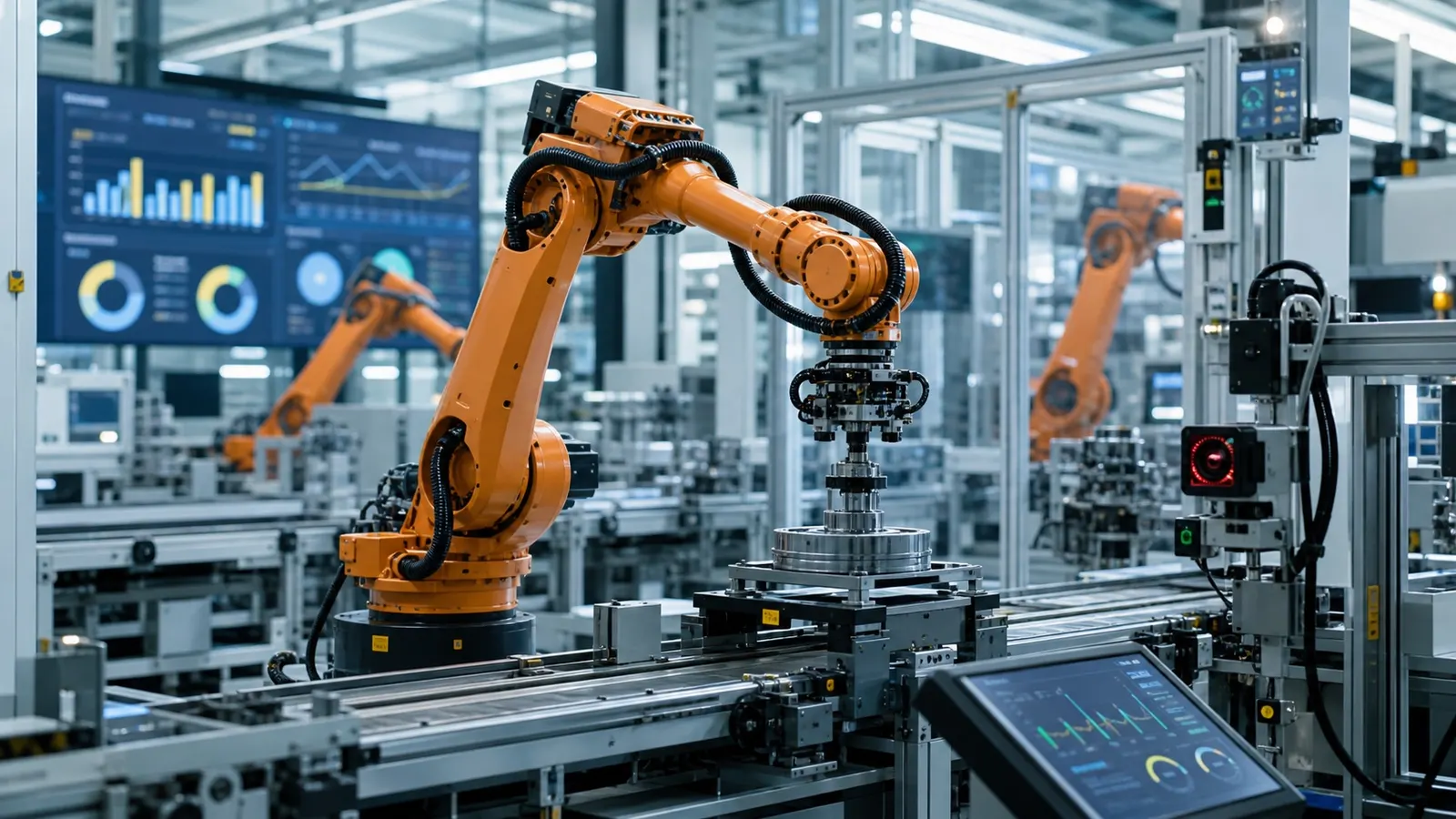
The strongest near-term use cases are narrow, supervised, and repetitive. Think material movement, simple picking, machine tending, tote handling, facility patrol, and structured inspection. These are not glamorous, but they are where buyers can measure downtime, labor substitution, injury reduction, and throughput.
Factories and warehouses make more sense than homes because the environment can be controlled. Lighting can be standardized. Workflows can be bounded. Safety zones can be defined. A human supervisor can intervene. That is very different from asking a robot to understand a cluttered apartment, a toddler, a staircase, a pet bowl, and an urgent spoken request at the same time.
This is why our coverage of warehouse automation companies still matters for humanoid investors. The boring automation stack shows what real customers already buy: uptime, integration, training, service contracts, and three-year ROI. A humanoid vendor has to meet those same standards.
For readers tracking the category seriously, a dedicated research setup helps. A second monitor like an LG 27-inch 4K monitor is useful for earnings decks, demo videos, and filings side by side. For technical papers and long robotics reports, an e-ink tablet can make the reading load less painful.
The Investor Checklist
Humanoid coverage tends to over-index on demo clips. Investors should over-index on deployment evidence instead.
First, watch customer type. A paid pilot with a manufacturer, logistics operator, or industrial services company is more meaningful than a stage demo. Repeat orders matter even more. If a customer expands from one site to five sites, the robot is solving something real.
Second, watch autonomy level. A robot that performs one workflow with remote human assistance can still be commercially useful, but the economics are different from a mostly autonomous fleet. Ask how often people intervene, whether the robot learns from interventions, and who pays for that support.
Third, watch service burden. Robots break. Hands, joints, sensors, batteries, and compute modules all age under real use. A company that cannot service fleets cheaply will struggle even if the robot looks magical in a lab.
Fourth, watch supply chain and manufacturing maturity. Actuators, hands, batteries, cameras, and edge AI hardware determine cost and reliability. Useful accessories for following this space include a basic robotics engineering book and a Jetson developer kit if you want to understand the edge-compute constraints behind the headlines.
Risks the Hype Cycle Hides
Safety is the first serious risk. A wheeled robot that stops in an aisle is annoying. A human-scale biped with moving arms is a different safety category. Industrial buyers will demand documentation, training, insurance clarity, and predictable fail-safe behavior.
Manipulation is the second risk. Walking is hard, but hands may be harder. Many valuable jobs require grasping irregular objects, applying the right force, recovering from mistakes, and knowing when not to act. That is why some of the most practical robotics businesses still use specialized arms, grippers, conveyors, and fixtures.
Valuation is the third risk. Public-market investors often get exposure through component suppliers, automation companies, chipmakers, and diversified industrial names rather than pure-play humanoid vendors. That can be sensible, but it also means the "humanoid upside" may be only a small part of the actual business.
FAQ
Are humanoid robots useful in factories yet?
They can be useful in limited pilots, especially when tasks are structured and supervision is available. Broad factory adoption still depends on uptime, safety certification, integration, and cost per productive hour.
Will humanoid robots replace warehouse workers in 2026?
Not broadly. Warehouses will keep adopting automation, but most near-term deployments use AMRs, conveyors, AS/RS systems, and piece-picking cells. Humanoids may handle edge cases before they handle the whole workflow.
What should investors watch first?
Watch repeat customer deployments. A second order from the same buyer says more than a polished demo. After that, track service costs, autonomy claims, manufacturing scale, and whether the robot can work for months without constant hand-holding.
Humanoid robots are one of the most important robotics categories to watch in 2026, but the right stance is disciplined curiosity. The opportunity is large. The engineering is real. The commercialization proof is still uneven. Investors who separate deployment evidence from demo theater will have the better read.